Monday, 20 September 2021

11 Oldest Cities Around The World Still Inhabited
11 Oldest Cities Around The World Still Inhabited

Bhupinder Singh | Updated: Sep 12, 2021, 18:48 IST

Travelling to a historic destination is an unforgettable and incomparable experience. Getting to know a historically important city provides a deep and complete understanding of the events and moments that shaped and changed humanity. Ancient cities seem to live outside of time. From the historical settlements, long abandoned by people, sand literally pours, but at the sight of each of them, goosebumps run down the skin.

Cities with a thousand-year history have much more to offer travellers than just beautiful architecture and unique artefacts. They bear the imprints of previous eras and civilizations. They reflect the development of mankind - both the creative aspects of this process and the destructive ones. 

These cities are the 11 oldest permanently inhabited places on Earth. Visiting them is like taking a trip in time:

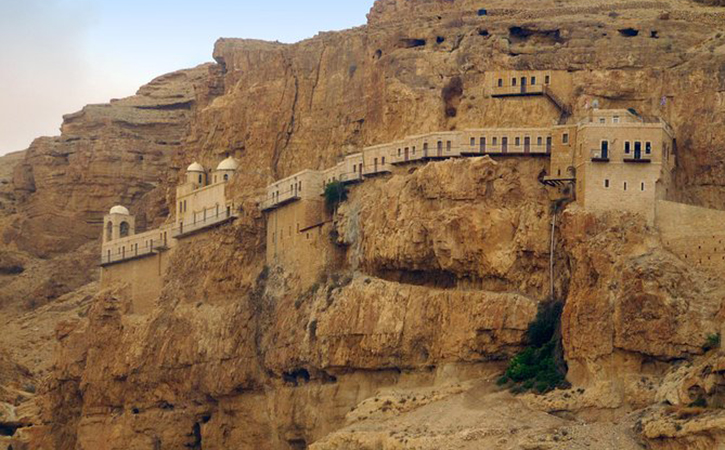
1. Jericho, West Bank - 11,000 years old
VIATOR

Its history was particularly tumultuous because the city was destroyed around 1,500 BC for a reason that still seems to remain rather obscure: an earthquake or an Egyptian invasion? Among the oldest cities in the world still inhabited is Jericho (Palestine), where archaeologists have found traces of habitation dating back to 9,000 BC. Located in the Jordan Valley, with the Jordan River to the east and Jerusalem to the west under Israeli occupation since 1967. Archaeological excavations have revealed traces of dwellings that are even older, around 11,000 years. Currently located in the West Bank, Jericho is also the lowest city in the world. Its altitude is around - 258m. Today, the town has more than 25,000 inhabitants. 

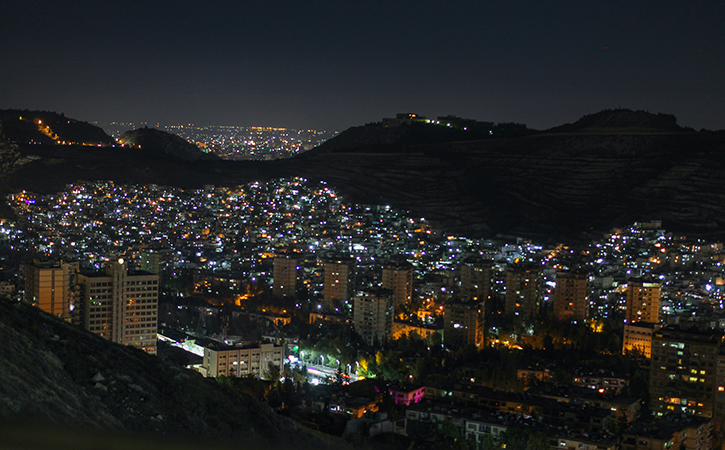
2.  Damascus, Syria – 11,000 years old
UNSPLASH

Cited by research studies and historical evidence as the oldest inhabited city in the world also named as the capital of Arab culture in 2008, Damascus may have been inhabited since 8,000 to 10,000 BC, But there is no evidence that it was an important city at that time. Damascus has been the preferred target of many kings and conquerors. Damascus was an important settlement region for the Arameans, who were responsible for implementing modern water network systems. Later, the city was conquered by Alexander the Great. Its wealth of historical sites made it a popular tourist destination until the recent unrest hit it. Since 1979, the city has been included on the UNESCO World Heritage List.

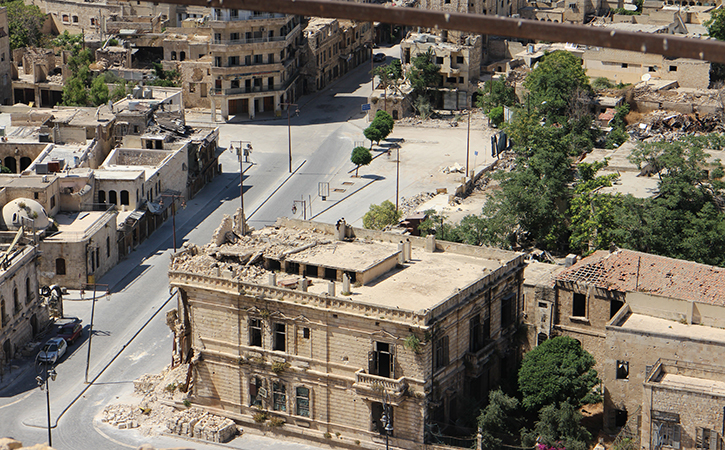
3. Aleppo, Syria – 8,000 years old
UNSPLASH

Located between the Mediterranean Sea and Mesopotamia is the most populated city in Syria with nearly 4.4 million citizens in its metropolitan area. Aleppo is undoubtedly one of the oldest cities in the world, already mentioned in Paleo-Babylonian times under the name of "Halab". While the ancient site is occupied by the modern city, it is hardly touched by archaeologists. The city was under Hittite (An ancient group of Indo-Europeans who moved into Asian Minor and formed an empire at Hattusa in Anatolia (modern Turkey) around 1600 BCE.) control until around 800 BC, before passing through Assyrian, Greek and Persian hands. It was then occupied by the Romans, Byzantines, and Arabs, besieged by the Crusaders, then taken over by the Mongols and the Ottomans. For several centuries, it was the largest city in the Syrian region and the third-largest city in the Ottoman Empire.

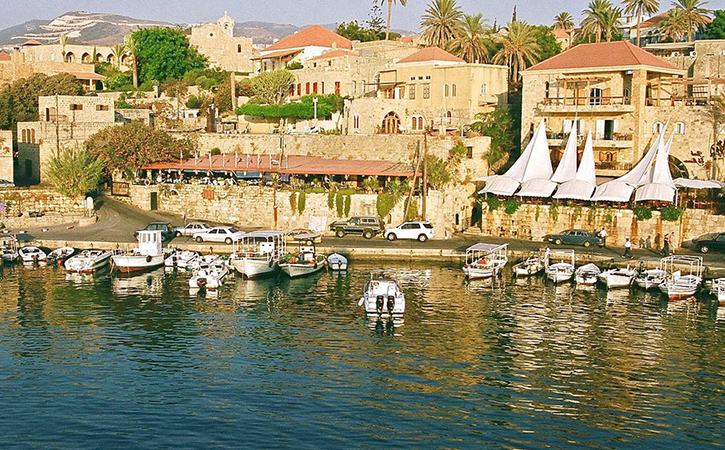
4.  Byblos, Lebanon – 7,000 years old
WSIMAG

Founded as Gebal by the Phoenicians, Byblos received its name from the Greeks, who imported the papyrus from the city. For centuries, the city has been the main exporter of papyrus to Greece. From the fourth millennium BC. The word Bible is derived from Byblos. The main sights of the city are ancient Phoenician temples, Byblos Castle, and the Church of St. John Mark, built by the Crusaders in the 12th century, as well as the medieval old town walls. The Byblos International Festival (music) is a more modern attraction. Located 40 kilometres from Beirut, the city attracts tourists from all over the world with its unique mix of beaches, mountains and ancient ruins.

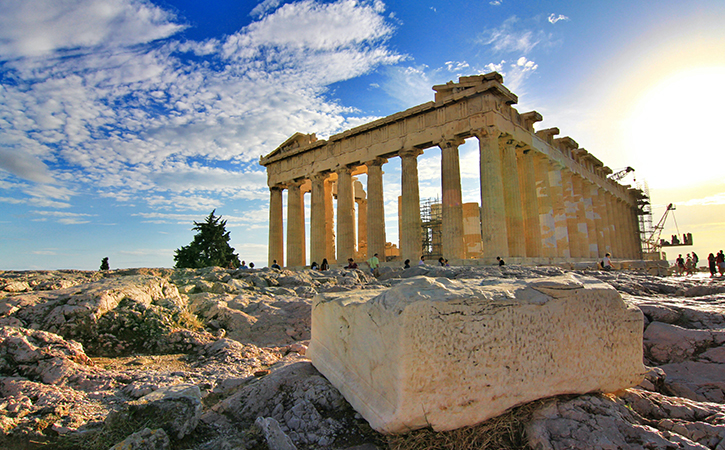
5. Athens, Greece – 7,000 years old
UNSPLASH

Cradle of Western civilization and cradle of democracy, Athens' heritage is still very evident. Athens has been inhabited for more than 7,000 years. Ottoman, Byzantine, and Roman civilizations left their imprints on the outward appearance of the city. This is the homeland of prominent philosophers, writers, playwrights, and artists. The city has had its ups and downs and has not always had the importance it has regained today.

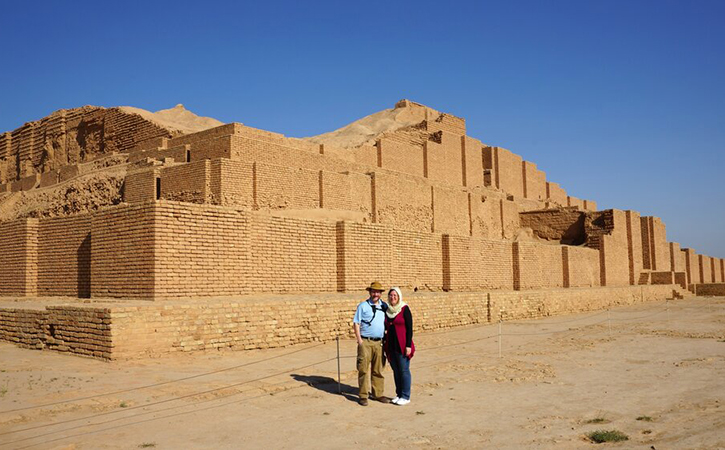
6. Susa, Iran – 6,300 years old
TEHRAN TIMES

Susa no longer exists today, but Shush is a small town that is more or less on the site of the ancient city. We can therefore see a certain continuity. Susa dates from 8000 BC was the capital of the Elamite Empire before it was captured by the Assyrians. It was then taken by the Achaemenids Empire under Cyrus the Greek. It is the city where the play of the Persians of Aeschylus takes place, an Athenian tragedy that is the oldest play in the history of the theatre. The modern city, Shushan, has a population of around 65,000 people and is also mentioned in the biblical books of Esther, Nehemiah, and Daniel.

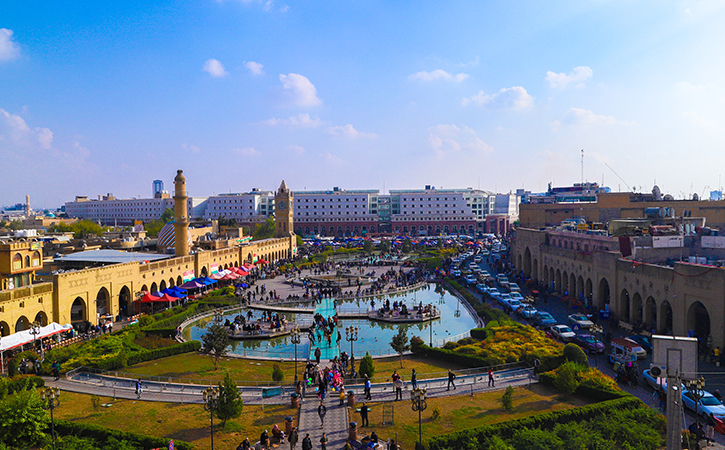
7. Erbil, Iraqi Kurdistan – 6,000 years old
UNSPLASH

North of Kirkuk is Erbil, which has been repeatedly dominated by the Assyrians, Persians, Sassanids, Arabs, and Ottomans. It was a major stopover on the Silk Road while its ancient citadel, which rises 26 meters in height, still overlooks the horizon.

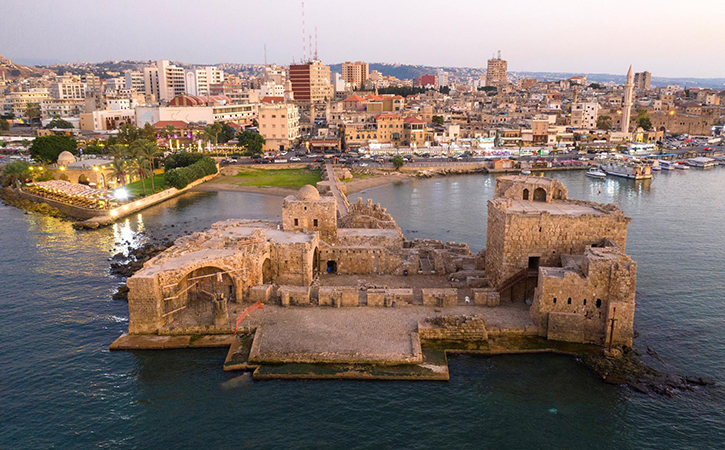
8. Sidon, Lebanon – 6,000 years old
CLOUDFRONT

Located 40 kilometres from Beirut, Sidon is one of the most important, and perhaps the oldest of the Phoenician cities and it would have been possibly the oldest. It was the base from which the great Phoenician Mediterranean Empire grew. Both Jesus and Saint Paul would have visited Sidon, as did Alexander the Great, who captured the city in 333 BC.

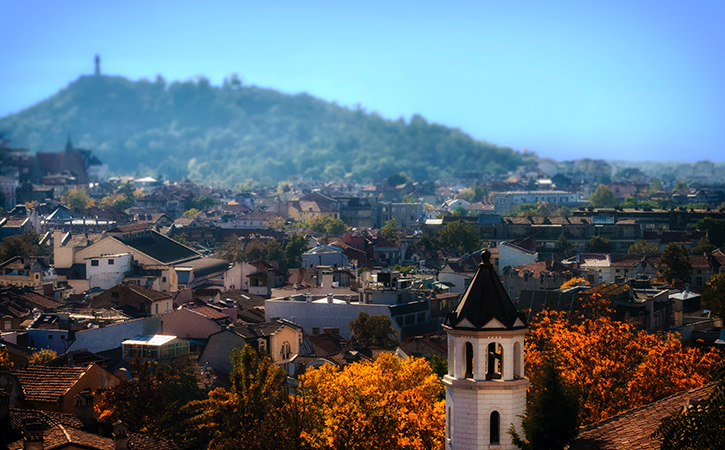
9. Plovdiv, Bulgaria – 6,000 years old
UNSPLASH

The second-largest city in Bulgaria, Plovdiv was originally a fortified Thracian city, before becoming a large Roman city. It later fell into the hands of the Byzantines and Ottomans, before integrating Bulgaria. The city is an important cultural centre and is home to many ancient remains, including an amphitheatre and a Roman aqueduct, as well as Ottoman baths. Throughout its history, it was dominated by Byzantines and Ottomans until, finally, the Bulgarians conquered it in the year 815. The name Plovdiv first appears in the 15th century. After World War II, communism was instituted in the country and the city became the focus of democratic groups that overthrew the regime in 1989.

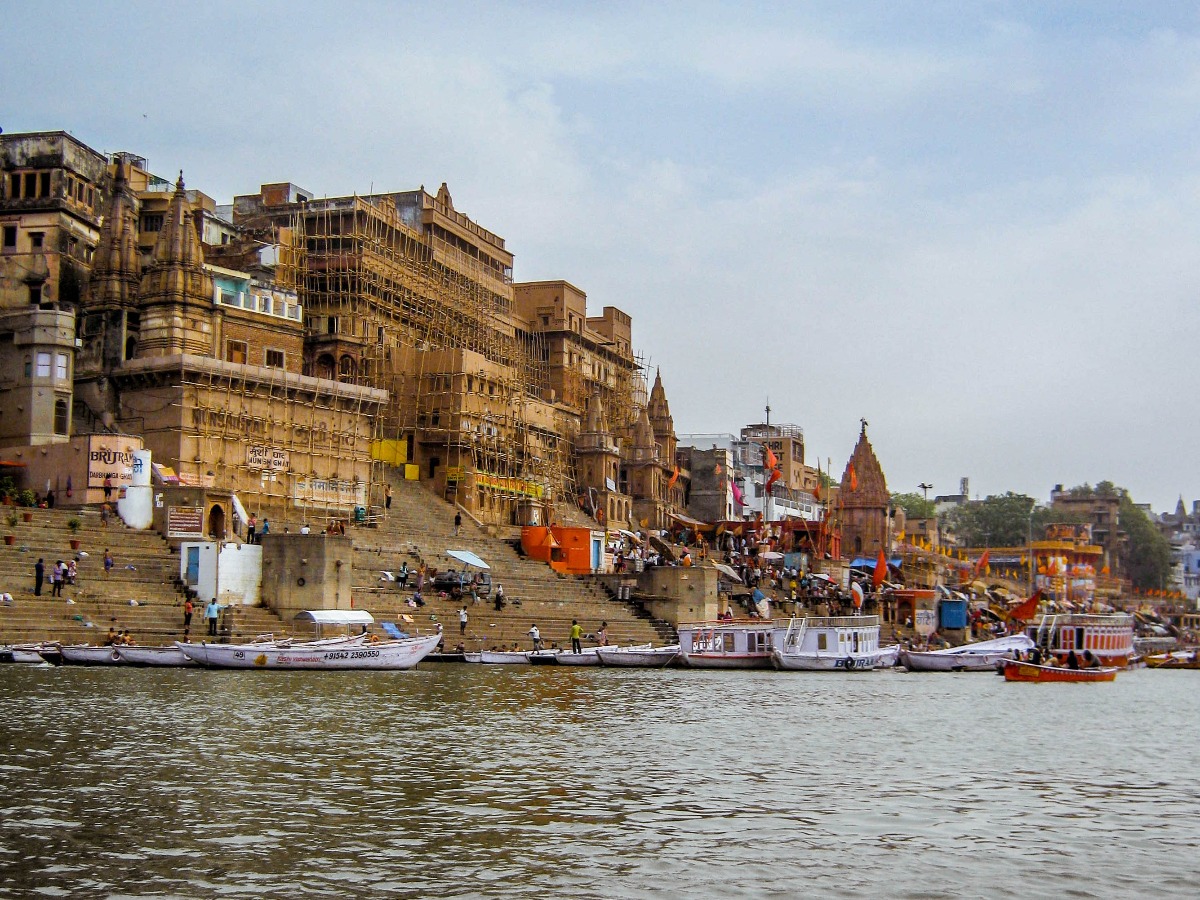
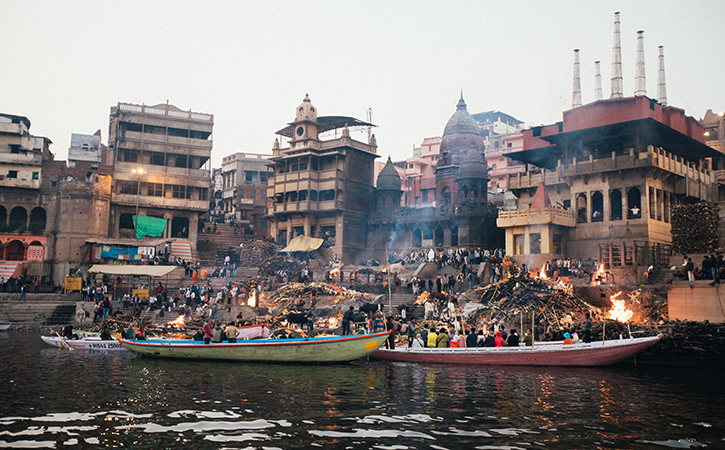
10. Varanasi, India – 5,000 years old
UNSPLASH

India is the world-famous centre of ancient civilisations, religions, and spirituality, and at the same time, the cradle of the oldest cities in the world. The sacred city of India Varanasi. formerly known as Benares, has been a religious and cultural centre for at least 5000 years.

11. Jerusalem, Israel - 5,000 year old
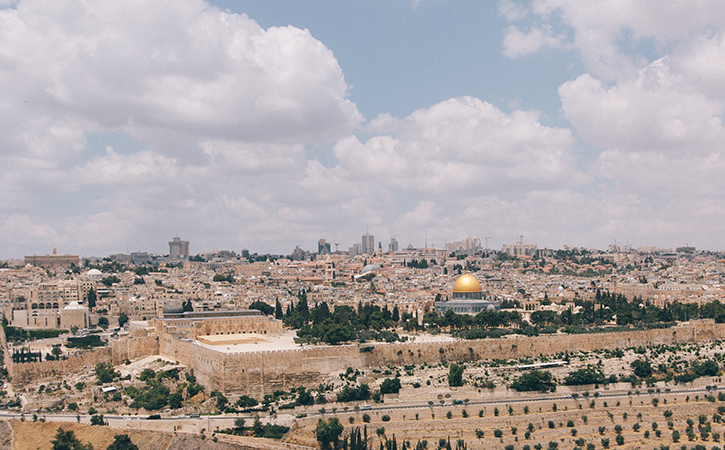
UNSPLASH

Jerusalem is one of the cities that is believed to be about 4,000 to 5,000 years old from today. But this city holds its own place in the world because the mixed culture of three religions is seen here. The historical sources of these three religions are found here, Judaism, Christianity and Islam. The city of Jerusalem is considered a religious city. And it has a long history of struggle. Historian Eric H. Cline has written that the city was destroyed at least twice and 23 times the city was besieged and 52 times attacked. And about 44 times it was captured and lost and captured again

Wednesday, 12 May 2021

Lest We Forget

Lest we forget...

Soon after a new era started in Indian history a little known hospital in Gorakhpur had its oxygen supply cut off. The vendor said the Dean wouldn’t pay his dues. And 68 children died in one night. Did we see a case against the Dean or the vendor? No. We saw the arrest of the doctor who worked through that night trying to get oxygen to save the children. Because he had a different name.

And that is how began the story of #NewIndia.There have been so many things to remember…I’m writing them down lest we forget.

Do you remember our money became invalid within 4 hours of his announcements. Do you remember the queues for ATM, to deposit money, to withdraw your own money, we stood in line for 50 days. We were told black money would come, but all that we got was middle men making money changing notes while we stood in long lines and people died, and people cried. But it made no difference. And now we watch over the years the interest rates on our savings fall. Down, down, down.

Do you remember certain cooperative banks failed. They let a Modi fly away to UK. They gave an NOC to a Choksi to become a legal citizen of Antigua. And to all the people who had deposited their hard earned money they said all you’ll get is 25,000₹ whether you need it for a child’s wedding or your own surgery….it matters not. People died, and people cried but no one lost except the common man of India, who’s money went down,down,down.

Do you remember they brought a new tax without anyone having a clue how it would work. They had the Parliament release it at midnight, and then ensured businesses lost their sleep. 5 forms to be filled EVERY month. Small businesses shut all over the country. Why would they create the most complex taxation system in the world? One that is unfathomable to even a reasonably computer literate person? The states stopped getting their share of taxes. And they were asked to take loans to make ends meet. The economy went down, down, down.

Hate grew and criminals were garlanded. Little girl’s rapists were supported with Tiranga Yatras and Bharat Mata ki Jai. People were killed over meat in their fridge. And beards and skull caps. And names. And children beaten up for drinking water from temples. And then some ladies sat and blocked one road. And sang songs and said hum kaagaz nahin dikhayenge. And it shook the government’s ego so …. They used a pandemic to settle the score. And just like that CAA NRC bills went down, down, down.

With 4 hours notice mitron, we were locked in our homes. For 54 days. And then the poor started trickling out of cities. They were beaten with lathis and stopped on borders and sprayed with disinfectant and made to do sit ups. They trudged along rail tracks and got run over. They carried their children on arms, and shoulders and pulled them on suitcases. They died of starvation and thirst in trains which were randomly sent to wrong stations. And they cried, and they died but they wouldn’t count the dead. They posed with peacocks and gave their Mann ki baat. And humanity in India came down, down,down.

We had a year to prepare for the Covid pandemic. We didn’t increase hospital beds, ventilators or oxygen plants. We did election rallies, and Kumbh melas even as bodies started piling in crematoriums. We gasped for oxygen beds and then for oxygen within those hospital beds. But he declared ₹20,000 crore Central Vista an essential service. While hundreds queue up for Vaccination and thousands try logging into slots from morning to night abandoned to fend for themselves. They fudged numbers of dead by one tenth but hundreds of pyres burned in parking lots. People cried, and people died but no one listened to our Jan ki baat.

Humans tend to forgive and forget. I write this down so we will read and remember. A nation that was a vibrant democracy, a developing country, a power to reckon with has now seen a fall in all its indices. We are now a partly free nation. Employment opportunities, malnutrition, pollution, personal liberties, media freedom have all gone down, down, down.

We need to learn from our mistakes. And promise to never make them again. This regime has to end.
Step down. down..down.

Dr Sarika Verma
AAP spokesperson
South Haryana

https://drsarika005.wordpress.com/2021/05/10/lest-we-forget/

Friday, 7 May 2021

New ‘liberalised’ vaccine policy a mistake

Support Scroll.in

CORONAVIRUS CRISIS

Current and former Modi advisors are calling his new ‘liberalised’ vaccine policy a mistake

A member of the PM’s Economic Advisory Council said the procurement aspect of the new policy would lead to ‘confusion, arbitrage, diversion and leakage’.

In mid-April, as vaccine shortages were starting to become apparent and questions were starting to be raised about the Centre’s management of the inoculation drive, Prime Minister Narendra Modi’s government made an abrupt announcement.

India, which at the time had covered less than 10% of its population with one shot, would be opening up eligibility to all adults starting May 1, while also selling vaccines on the open market and making private manufacturers compete with state governments to procure doses.

ADVERTISEMENT

Many aspects of the new policy were baffling, with little explanation on offer from the Centre for why it was changing tack.

The new approach has been criticised by many, concerned that it fragments the market, since the Centre is no longer the only procurer, with states and private hospitals also competing for doses, and because it features unfair pricing mechanics while leaving important questions of equity in distribution to manufacturers, who have done more communication about the policy than the Centre.

The Indian Supreme Court has also questioned the government’s choice to let private hospitals charge up to Rs 2,400 for two vaccines, suggesting this may face a constitutional challenge on ground of treating citizens equally during a pandemic.

India’s vaccination rate in the first week of the new “liberalised, accelerated” policy, as Modi’s government titled it, has been anything but. The new policy was announced on April 19, and came into force on May 1.

What’s more the criticism has even come from those who have directly worked with Modi on economics and policy matters in the past.

ADVERTISEMENT

Take Arvind Panagariya, who was hand-picked by Modi to be the first head of the government think tank, NITI Aayog, in his first term. Here is Panagariya, now a professor of economics at Columbia, calling for a U-turn:

“We need to recognise that the recent decentralisation of purchase and allocation of vaccines has been a mistake. Given that the pandemic constitutes a national public health emergency, optimal response to it requires planning, coordination and prioritisation of vaccine delivery at the national level... 

It is likely that the government announced the decentralisation policy as a response to a barrage of ill-informed criticisms. But it is something that requires a rethink once the current crisis abates. As a rule, policy reversals should be avoided to minimise uncertainty but when too much of public interest is at stake, course correction must be done. To blunt potential allegations of politicisation of allocations, the government may delegate the authority to an independent group of professionals.”

Then there is Arvind Subramanian, another economic voice hand-picked by Modi as his chief economic adviser in the first term. Subramanian is now a Senior Fellow at the Watson Institute for International & Public Affairs, Brown University, and has, over the last few years, criticised Modi’s current economics team on a number of issues.

His recommendations are similar to many of the criticisms of the new policy: Vaccines should be free and they should be procured by the Centre.

It isn’t just former advisers either. V Anantha Nageswaran, a member of the Prime Minister’s Economic Advisory Council, has also criticised the decision to fragment procurement between Centre and states.

ADVERTISEMENT

In an article in Mint, Nageswaran and Rahul Bajoria call some aspects of the new policy welcome, but then argue that,

“the current three-tier pricing of vaccines – one for the Centre, another for states and yet another for the private sector – has the potential to cause confusion, arbitrage, diversion and leakage.

The country could have just two prices: one for the government and another for the private sector. This would allow the Centre to procure and distribute vaccines to states, actively supporting their efforts. It will be a good gesture of federalism in these times. Nationwide vaccination, facilitated and financed by the Union government, would be the equivalent of its stimulatory fiscal response to the first wave. States would continue to be responsible for making sure vaccines are not diverted to the black market.”

In a subsequent blogpost, Nageswaran went further, asking “friends active on social media” to tweet the following while leaving them to “decide whom to tag”:

“The Union Government should procure vaccines on its budget at the agreed price (max. Rs. 300) from both the vaccine manufacturers and distribute to States with the latter responsible for preparing the infrastructure for quick administration.

That is both a response to the ongoing second wave, potential future waves and three, it would forestall a major economic disruption for the second year running.”

One can also point to the opinions of R Jagannathan, a pro-government commentator and editorial director of Swarajya, whose most recent piece on the subject begins with the following line, “That we have got our vaccine strategy all wrong needs no elaboration.”

Though it is not quite the same thing, Ashok Malik, policy advisor to the Ministry of External Affairs had thoughts about the current vaccine policy even before the government had announced it:

Finally, Rathin Roy, Managing Director (Research and Policy) at the Overseas Development Institute and another former member of the Prime Minister’s Economic Advisory Council had a much pithier response to the new policy:

Support our journalism by subscribing to Scroll+. We welcome your comments at letters@scroll.in.

Tuesday, 4 May 2021

Arundhati Roy: we need a government

Support Scroll.in

AD
CORONAVIRUS CRISIS

Arundhati Roy: We need a government

An appeal to Prime Minister Narendra Modi: Please step aside.

We need a government. Desperately. And we don’t have one. We are running out of air. We are dying. We don’t have systems in place to know what to do with help even when it’s on hand.

What can be done? Right here, right now?

We cannot wait till 2024. Never would people like myself have imagined the day would come when we would find ourselves appealing to Prime Minister Narendra Modi for anything. Personally, I would rather have gone to prison than do that. But today, as we die in our homes, on the streets, in hospital car parks, in big cities, in small towns, in villages and forests and fields – I, an ordinary private citizen, am swallowing my pride to join millions of my fellow citizens in saying please sir, please, step aside. At least for now. I beseech you, step down.

This is a crisis of your making. You cannot solve it. You can only make it worse. This virus prospers in an atmosphere of fear and hatred and ignorance. It prospers when you clamp down on those who speak out. It prospers when you manage the media to such an extent that the real truth is only reported in the international media. It prospers when you have a prime minister who has never held a single press conference in all his years in office, who is incapable of fielding questions, even now in this moment of numbing horror.

Hundreds of thousands of us will die, unnecessarily, if you don’t go. So, go now. Jhola utha ke. With your dignity intact. You can have a great life ahead, of meditation and solitude. You yourself have said that’s what you want. That won’t be possible if you allow this mass dying to continue.

There are many in your party who can take your place for now. People who know they must get on even with political opponents in this moment of crisis. Whoever that person is – from your party, with the approval of the Rashtriya Swayamsevak Sangh – can head the government and a crisis management committee.

The state chief ministers can elect a few representatives so that all parties feel represented. The Congress by virtue of being a national party can be on the committee too. And then scientists, public health experts, doctors, experienced bureaucrats. You may not understand this, but this is what is known as democracy. You cannot have an Opposition-mukt democracy. That is known as a tyranny. This virus loves tyrannies.

If you don’t do this now, as this outbreak is increasingly viewed as an international problem, as a threat to the world, which it is – your incompetence is giving other countries a legitimate excuse to try and interfere in our affairs, try and take charge. This will compromise our hard fought for sovereignty. We will become a colony again. This is a serious possibility. Do not disregard it.

So please go. It is the most responsible thing for you to do. You have forfeited the moral right to be our prime minister.

Support our journalism by subscribing to Scroll+. We welcome your comments at letters@scroll.in.

Thursday, 15 April 2021

Coconut Oil Use Can Prevent Covid infection - Dr Prabbodh Halde Explains How


Friends I have taken so far 15 RTPCR tests during last 11 months all came negative .*
I have taken over 30 flights in last one year . Also I was with my mother in hospital taking her care at Nagpur . *Even at one time all my 3 family members were Covid postive and I was staying with them with precautions but I was negative

One reason why I could prevent Corona is , I apply coconut oil in the nose 4 times a day . Yes it works 

How it works ? 

Mechanism of action of coconut oil :

There are three modes of action which explained the antimicrobial efficacy of coconut oil and it metabolites (Lauric acid and Monolaurin), these are given as follows

1. Disintegration of the lipid membrane

The antiviral activities of lauric acid and monolaurin was initially reported in 1979 by Sands and team (Sands et al. 1979) and later it was investigated in 1982 by Hierholzer and Kabara (HIERHOLZER and KABARA 1982). It was found that monolaurin was able to reduce the infectivity of human RNA and DNA enveloped viruses in cell culture by >99.9% by disintegrating the virus envelope. Another study confirmed this effect and stated that lauric acid and monolaurin has an ability to inactivate the viruses by disintegrating the cell membrane (Thormar et al. 1987). Also, lauric acid is used for the production of sodium lauryl sulfate which is strong surfactant having potent antiviral properties; study showed that it is bale to denature the viral envelope (Dayrit and Newport 2020, Piret et al. 2000).

2.  Inhibits pathogen maturation

Metabolites of virgin coconut oil used to produce highly ordered membranes, which is supposed to disrupt pathogens’ cellular function by affecting signal transduction owing to blockage of promoters, disentanglement of energy systems, changed respiration state, and altered amino acid uptake. Among the saturated fatty acids from C10 to C18, lauric acid was found to be most active inhibitor against Junin virus (JUNV). It was reported that Lauric acid alters the amino acid sequence of virus results in formation of blockages in the assembly of viral progeny (Bartolotta et al. 2001).

3. Prevents pathogen binding to host cell

As discussed above, lauric acid doesn’t allow the protein synthesis of pathogen by preventing the binding of membrane protein with host cell. In 1994, researchers proposed that in the presence of lauric acid, the production of infectious vesicular stomatitis virus was inhibited in a dose-dependent and reversible manner: after removal of lauric acid, the antiviral effect disappeared 
(Hornung, Amtmann, and Sauer 1994).

So you also can try and get benifits

Please start doing it,  it works.

Once you apply it covers for 3 to 4 hrs so I apply 4 to 5 times a day . Infact, I carry small bottle of. Coconut oil with me .

This is my own experience and it's scientific and traditional ayurvedic belief also .

You can use any pure coconut oil edible grade

These are my personal views and sharing you to prevent spread of covid 

Thanks !
Dr Prabodh Halde
Food Technologist
Mumbai

Wednesday, 7 April 2021

Pragya Mishra's "Ulta Chashma"

watch now